

The most interesting fashion photographs stay with you after the clothes have left the frame. A gesture, an unexpected colour, a face half in shadow: the image has a point of view. This top 10 brings together fashion, editorial and portrait photographers worth studying for the different ways they build that feeling.
From Tyler Mitchell’s relaxed portraiture to Tim Walker’s imagined worlds and Viviane Sassen’s sculptural shadows, these are ten distinct places to look for inspiration. Each entry includes a reference photograph, a reading of what makes it work, and a direct link to explore the photographer’s own work.
How this top 10 was selected
This is an editorial selection, ordered for discovery, rather than a measured ranking of the world’s best photographers. The criteria are a recognisable visual language, work relevant to fashion, editorial or portraiture, and something useful to study. It pairs established image-makers with contemporary voices; it is not an awards table or a list of emerging talent.
Portfolio and source links were checked on October 15, 2026. The visual readings below are editorial observations, not claims about the equipment or lighting used on set.
Tyler Mitchell
Fashion with room to breathe
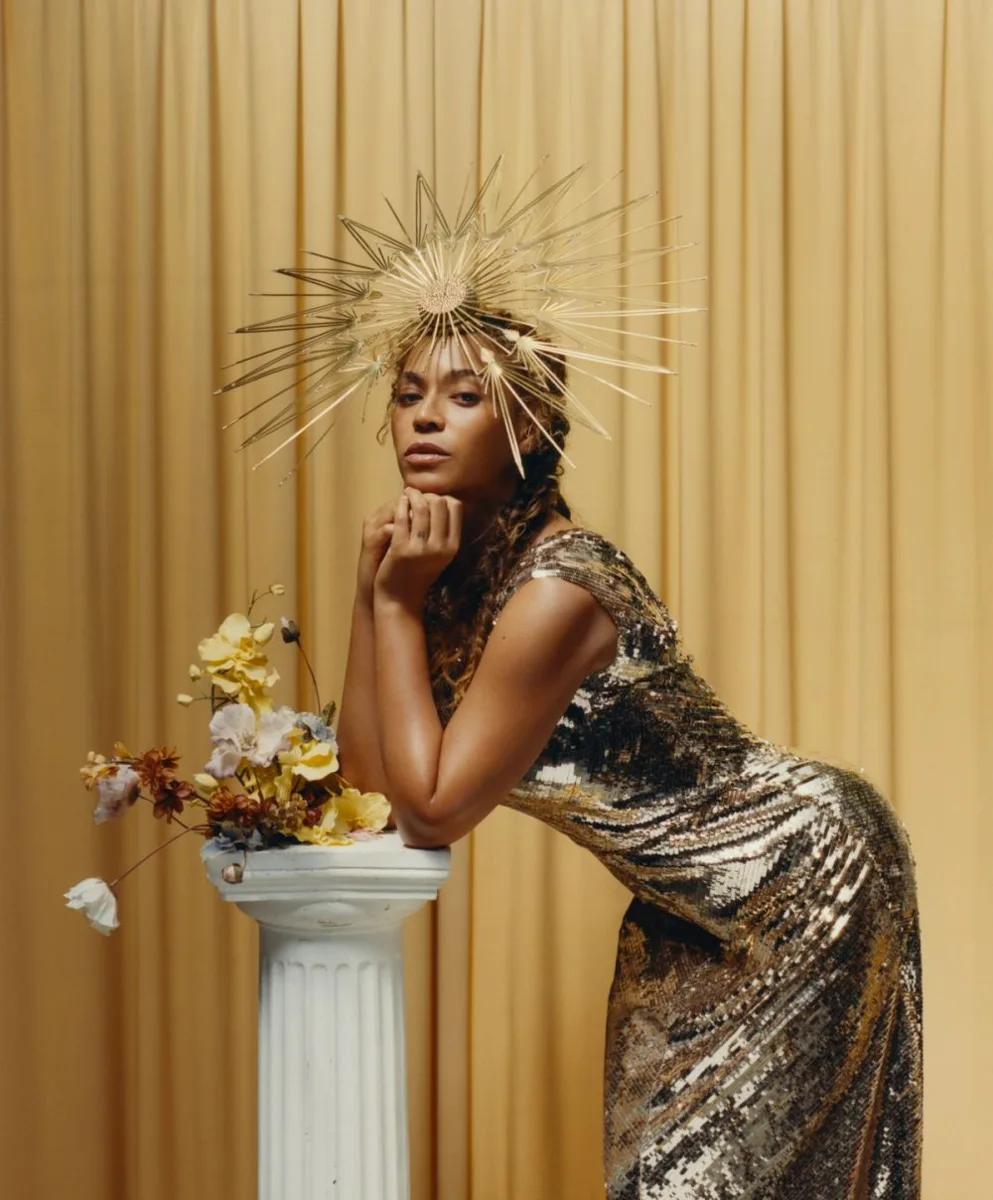
Tyler Mitchell earns the opening spot for images that make fashion feel lived in. His portfolio moves between magazine commissions and personal pictures with a sense of ease: clothes belong to a world of people, places and possibility. His 2018 Beyoncé photographs for Vogue are a useful place to begin, then follow the quieter pictures around them.
In this portrait, the gold curtain, flowers and sculptural headpiece create a carefully built scene, while Beyoncé’s leaning pose keeps the picture conversational. For an editorial moodboard, study that balance between an elaborate setting and an unforced gesture.
What to studyBuild a world around the person, then leave space for their personality.
Nadine Ijewere
Colour, character and a wider idea of beauty
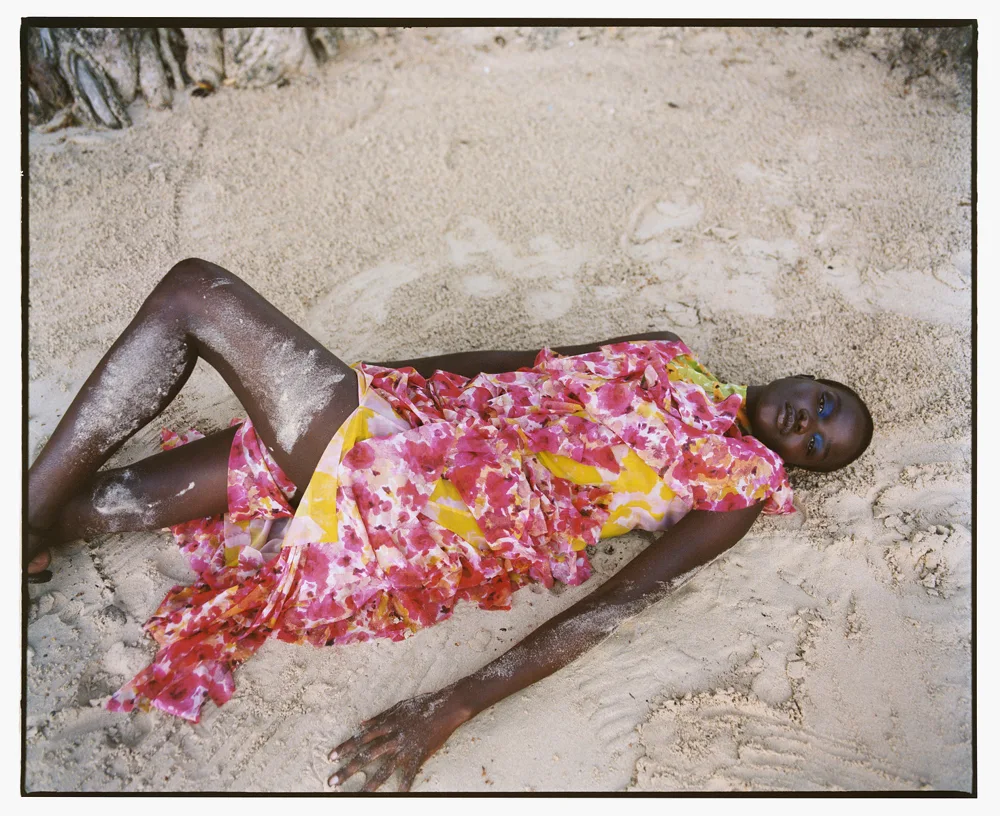
Nadine Ijewere’s own biography places identity and diversity at the centre of her practice, informed by her Nigerian and Jamaican background. Her fashion and portrait photographs are compelling for the way casting, styling and colour work together. The person in the frame feels essential to the idea, rather than interchangeable with another face.
The floral dress in this reference becomes a bright interruption in the weathered stone setting. The reclining pose stretches the composition sideways, giving the garment room without losing the sitter’s presence. Look at the relationship between skin, fabric and background before thinking about equipment.
What to studyLet casting and colour shape the concept from the beginning.
Rafael Pavarotti
Colour turned all the way up
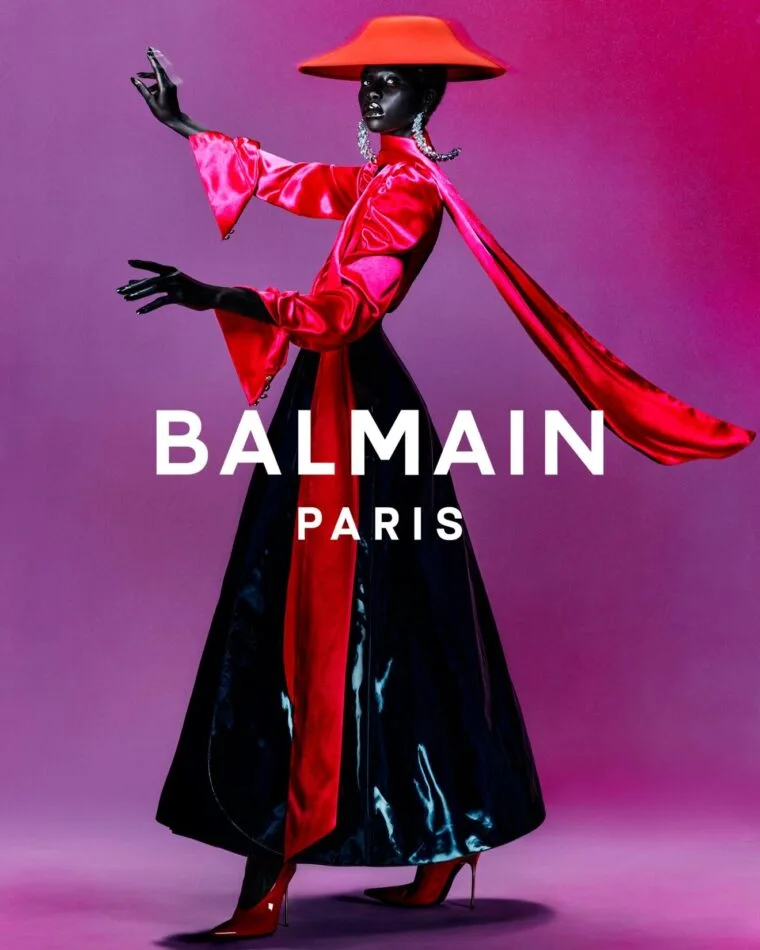
Rafael Pavarotti is the choice for anyone drawn to fashion images with graphic force. His representative, Art + Commerce, describes a practice built around vivid colour and sculptural composition, with work for publications including British Vogue and Vogue Italia. That combination of palette and shape makes his portfolio especially useful for planning a strong visual identity.
In this Balmain reference, the red hat, extended arms and sweeping garment organise the whole frame. The saturated backdrop amplifies the silhouette. Study how a few bold decisions carry the image: more props or more colours would not necessarily make it stronger.
What to studyChoose a dominant colour relationship and a silhouette that reads immediately.
Campbell Addy
Portrait presence inside a fashion frame
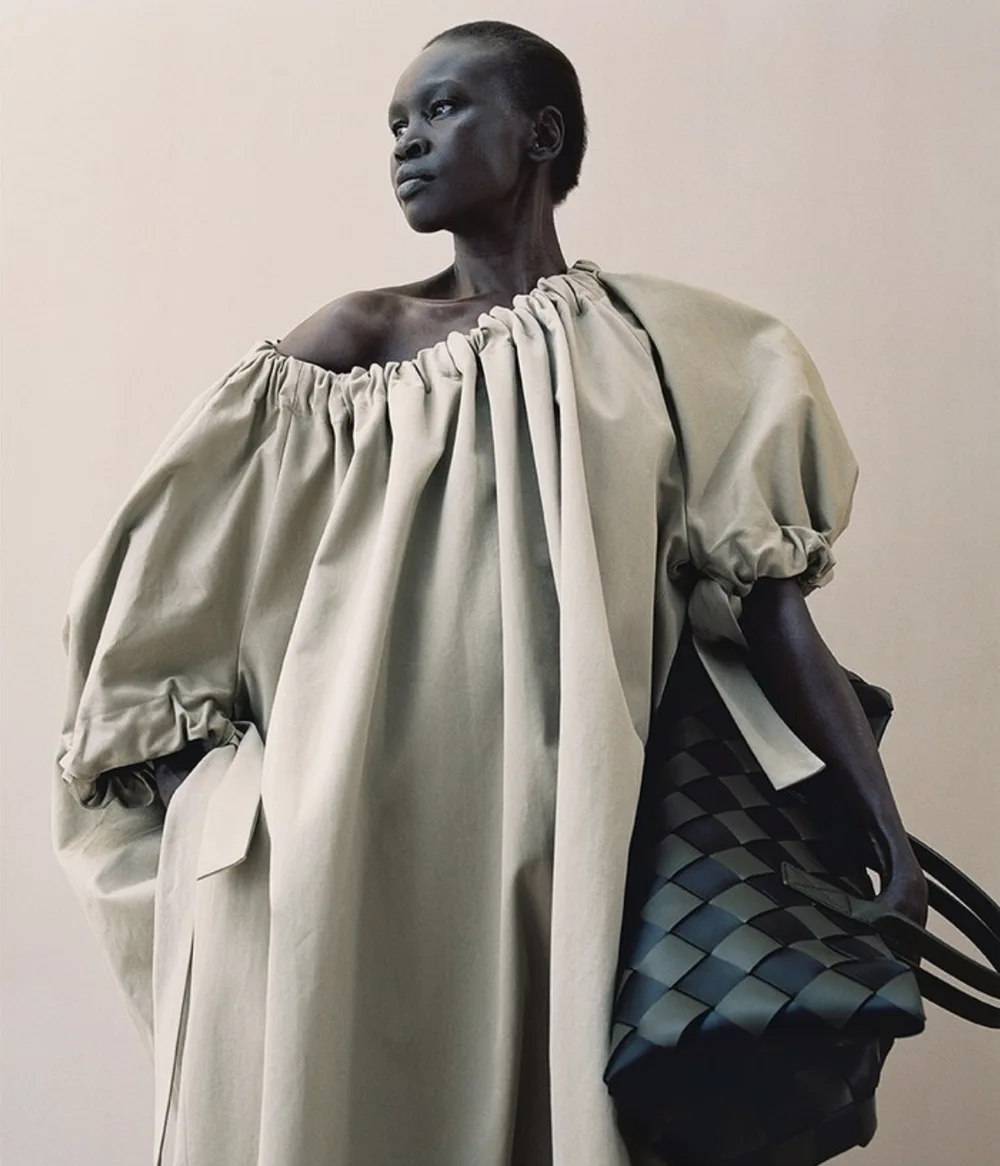
Campbell Addy’s photographs are a strong reference for keeping a person present inside an ambitious fashion picture. His official portfolio spans editorial commissions, while his book Feeling Seen addresses identity, intimacy and representation. Those concerns give a useful context for reading the work beyond its styling.
Here, the volume of the pale garment makes a striking shape, but the turned head and lifted chin still guide attention to the sitter. The restrained background gives both face and clothing space. For portrait photographers moving into editorial work, this is a helpful way to think about scale.
What to studyLet the clothes create shape while the face sets the emotional tone.
Viviane Sassen
Shadow as a compositional tool
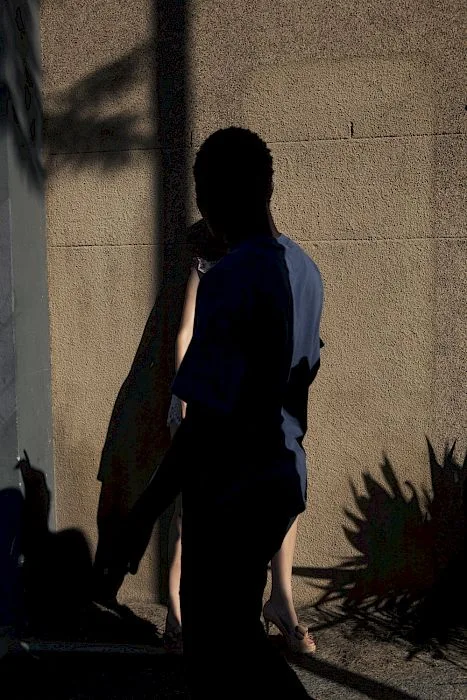
Viviane Sassen is essential viewing if conventional fashion poses feel too predictable. Her practice crosses art and fashion; her official biography documents the retrospective In and Out of Fashion. Across those contexts, her photographs invite attention to bodies as shapes, and to shadow as something that can organise a picture as decisively as light.
Mirte, shown here from UMBRA, places the figure partly beyond easy recognition. The wall, silhouette and plant shadows become active elements. Study what happens when a face is withheld: posture, edges and the surrounding space have to carry more of the image’s meaning.
What to studyTreat shadow as a shape you compose with, rather than an area to brighten.
Harley Weir
Beauty with texture and tension
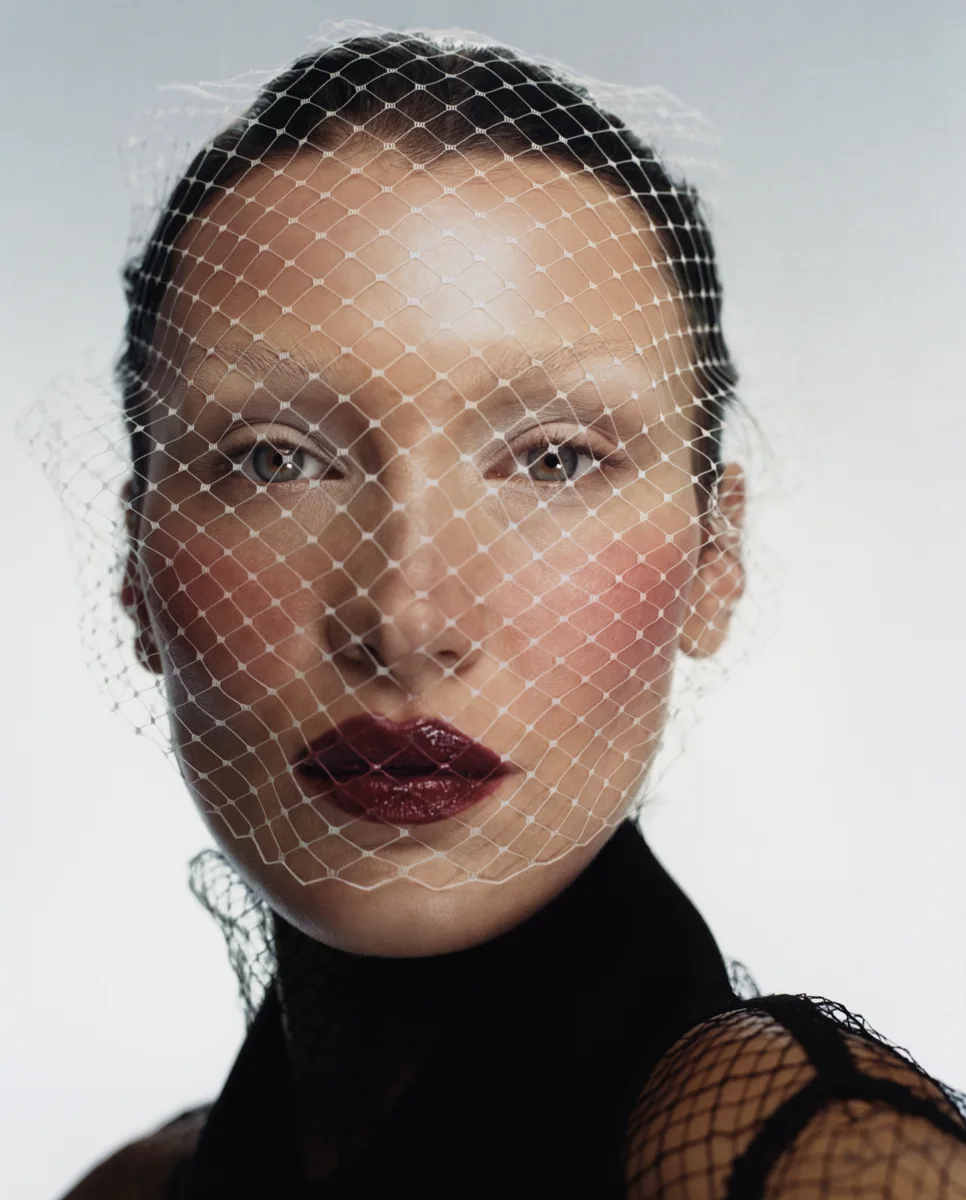
Harley Weir’s portfolio rewards close attention to surface: skin, fabric and the small details that make an image feel physical. Her representative, Art Partner, lists editorial work across publications including The Face, Dazed and Vogue. She belongs in this selection for a visual language that can make a tightly framed beauty image feel charged.
The mesh veil in this reference creates a second plane between viewer and face. Lip colour, eye contact and the dark neckline do the rest. It is a useful reminder for portrait and beauty shoots that tension can come from one carefully chosen material, without an elaborate set.
What to studyUse texture to change how close, or how distant, a portrait feels.
Jamie Hawkesworth
Everyday observation with editorial potential
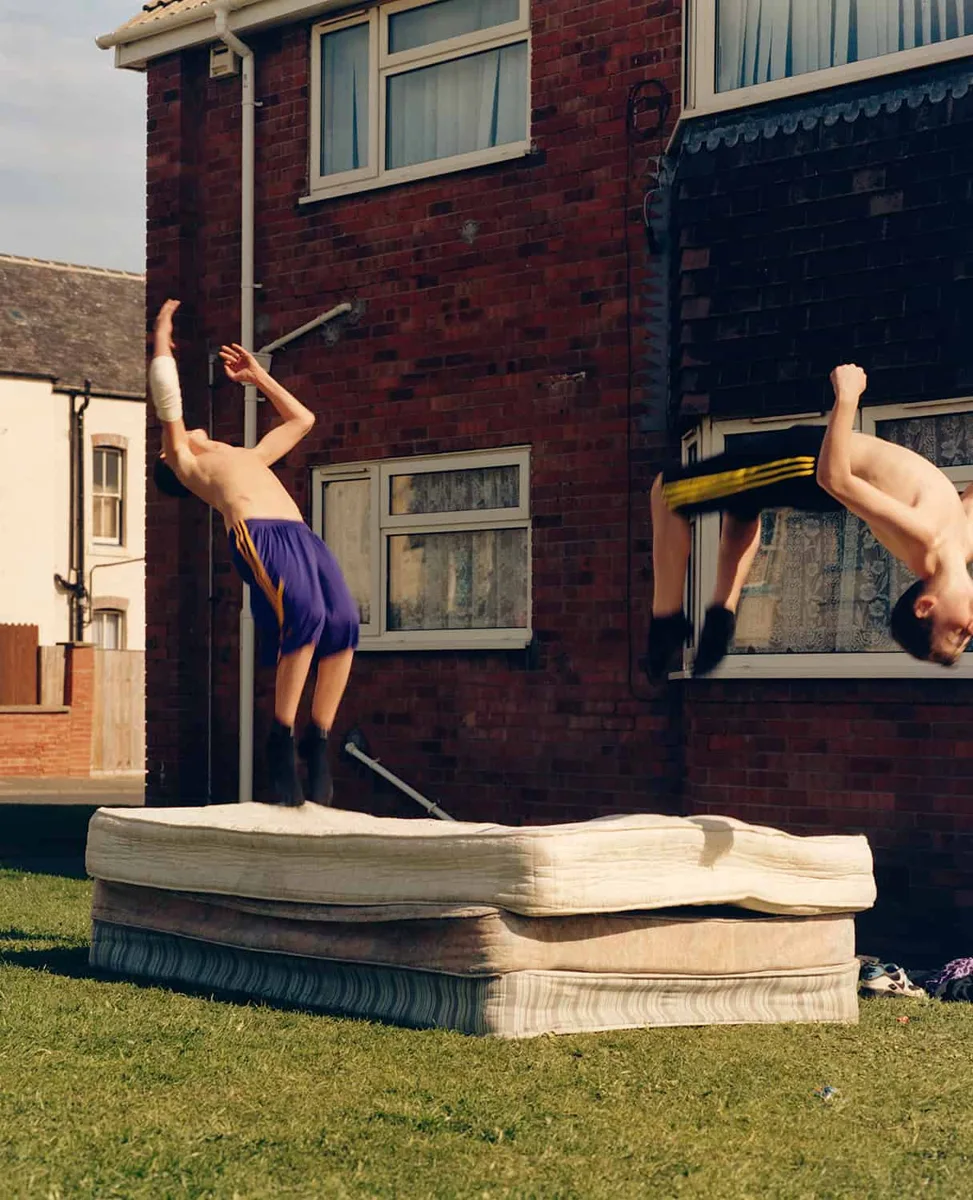
Jamie Hawkesworth offers a different rhythm from the more theatrical names on this list. Huxley-Parlour describes his work through the people and architecture of Britain, and his commitment to analogue photography and printing. His observational pictures are a valuable reference when a fashion or portrait brief needs everyday life, movement and surprise.
This image from The British Isles catches airborne bodies above a stack of mattresses in a garden. Its energy comes from timing and the relationship between people and place. Study it as a reference for gesture and environment; it is a documentary photograph, rather than a fashion campaign.
What to studyLook for a meaningful gesture before adding more direction.
Tim Walker
Fashion as an imagined world
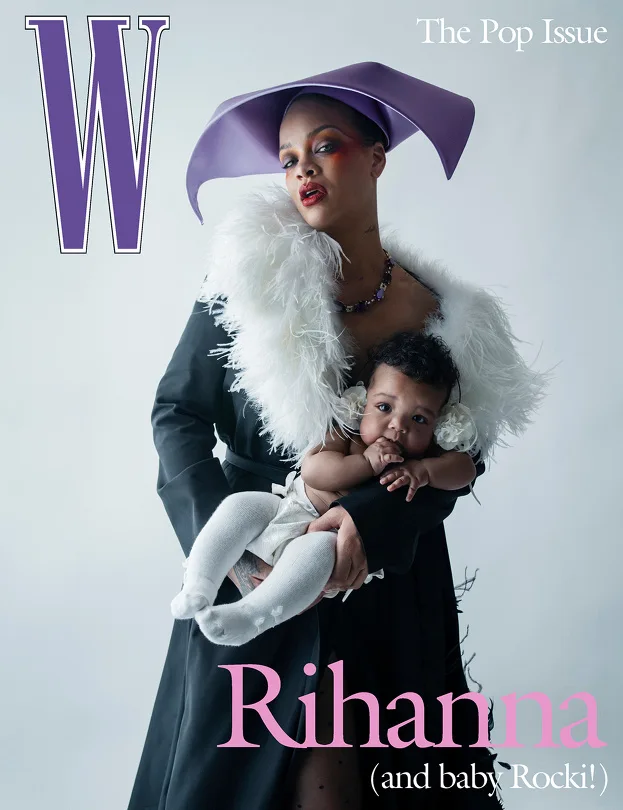
Tim Walker is the photographer to study when a fashion editorial needs a world of its own. His official biography describes a practice shaped by fantasy and fairy tales, alongside portraits made through careful research into the sitter. The interest lies in how a whole scene can support a character, rather than simply decorate a garment.
The sculptural purple hat in this W Magazine cover gives the portrait an immediate theatrical shape. The formal styling and the intimacy of holding a child pull the image in different directions. For your own shoot, think about which single visual invention could establish the story before you build an entire set.
What to studyGive the story one unmistakable visual idea that the team can build around.
Paolo Roversi
A portrait that seems to emerge from darkness
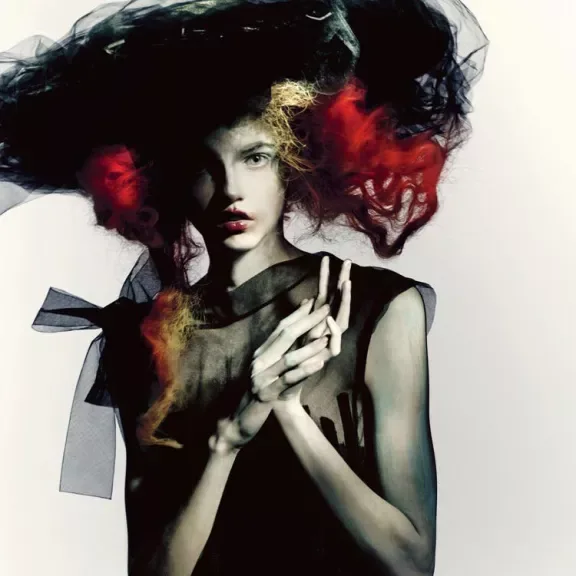
Paolo Roversi belongs on a fashion and portrait shortlist for the intensity he gives a sitter. The Palais Galliera’s retrospective describes how studio work, large-format cameras and Polaroid helped shape his practice, alongside an approach open to chance. His photographs are a useful counterpoint to the idea that technical sharpness alone makes a memorable portrait.
In this reference, the face emerges from a dark arrangement of hair, fabric and hat. The pale skin becomes the centre of attention while the surrounding forms stay mysterious. Study the hierarchy of light and tone, rather than assuming that a particular camera or process will reproduce the atmosphere.
What to studyDecide what the viewer should discover first, then let the rest fall away.
Nick Knight
The fashion image as an experiment
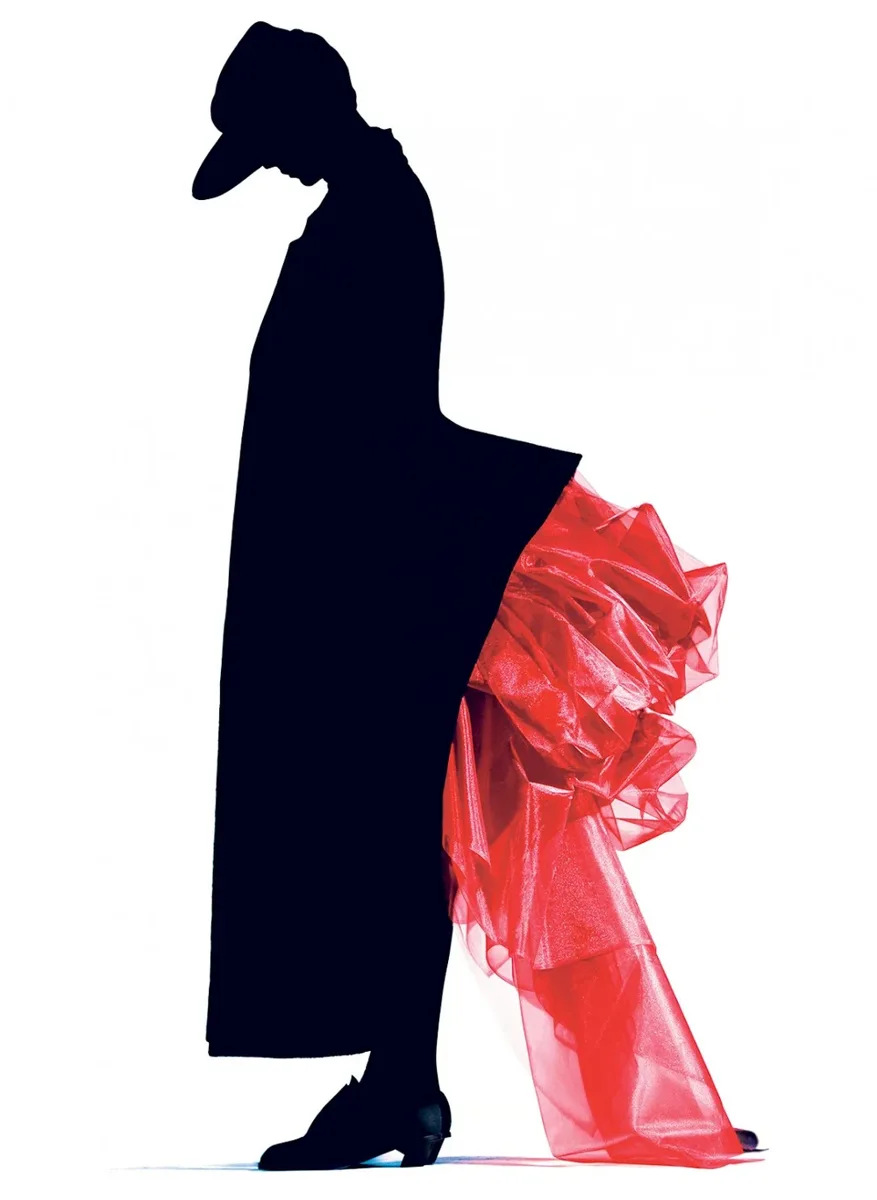
Nick Knight closes the list because his work encourages experimentation with what a fashion image can be. His official biography identifies him as the founder and director of SHOWstudio, connecting photography with fashion film and a broader image-making practice. His portfolio is a useful starting point when a brief needs a visual proposition beyond a conventional photograph of an outfit.
Red Bustle reduces the figure to an almost solid black silhouette, interrupted by the luminous red garment. The white background makes the division especially clear. Look at how much information has been removed, and how that restraint makes the surviving shape feel more forceful.
What to studyTest how little visual information you need for an image to hold attention.
Which photographer should you explore first?
Start with the problem you are trying to solve. For expressive colour and shape, look at Rafael Pavarotti and Nadine Ijewere. For a portrait that keeps the sitter at its centre, spend time with Tyler Mitchell and Campbell Addy. For shadow, atmosphere and ambiguity, compare Viviane Sassen with Paolo Roversi. Tim Walker, Harley Weir, Jamie Hawkesworth and Nick Knight each offer another way to move beyond a predictable frame.
Turn inspiration into your own editorial
A useful moodboard explains decisions. Choose three or four references and annotate each one: the colour relationship, the distance to the subject, the gesture, the light, or the way styling changes the body’s outline. Bring those observations to your team and create a new concept around your own subject and location.
Then plan the sequence. An opening image, a close portrait, a full-length frame and a quieter detail can give an editorial variation while keeping one visual thread. Our guide to setting up a fashion editorial shoot takes that process from concept to delivery. For the different purposes a shoot can serve, read editorial vs commercial photography.
From reference to your own story
Planning a fashion or portrait shoot in Hamburg?
Use this selection to describe the mood you are drawn to, then develop a concept that belongs to you. Explore Leon Blakk’s fashion and portrait stories, or compare the editorial and model portfolio sessions for your next project.
Frequently asked questions
Who are some fashion, editorial and portrait photographers to follow?
This selection includes Tyler Mitchell, Nadine Ijewere, Rafael Pavarotti, Campbell Addy, Viviane Sassen, Harley Weir, Jamie Hawkesworth, Tim Walker, Paolo Roversi and Nick Knight. Follow the linked portfolios to see complete projects and the context around individual images.
What is the difference between fashion, editorial and portrait photography?
Fashion photography gives clothing and styling a central role. Editorial photography builds a story for a publication or a creative series. Portrait photography concentrates on a person and their presence. One image can belong to all three, depending on its brief and use.
How can I use these images as references for a photoshoot?
Identify the visual decisions you respond to, then translate those ideas into your own brief. Link back to the photographer and keep the full credits with your moodboard. A reference is a starting point for discussion; any reuse of the photograph itself needs its own permission or licensing basis.
Reference photographs remain the work of their credited photographers and respective rights holders. Source and portfolio links are provided for further study. No affiliation or endorsement is implied.